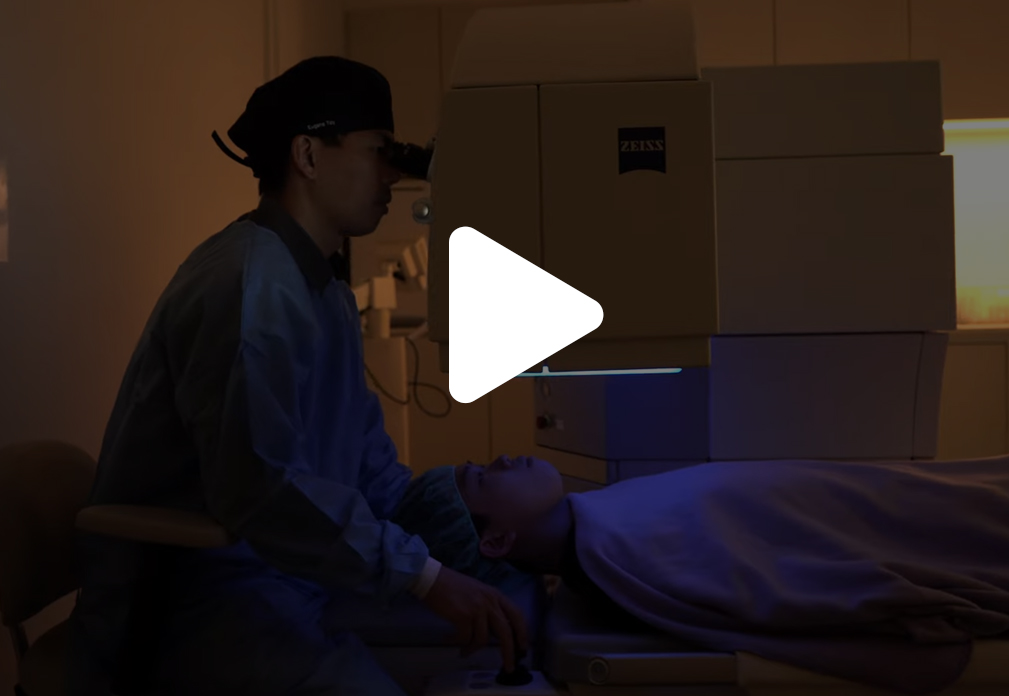
What is the difference between Lasik and SMILE?
Different generations of vision correction surgeries.
The main difference between a SMILE procedure and LASIK is that an excimer laser is not used. Instead, a femtosecond laser cuts a tiny keyhole incision in a patient’s cornea where the lenticule (a small piece of corneal tissue) is then removed.
LASIK (Laser-Assisted Stromal In-situ Keratomileusis, 2nd generation):
During this procedure, a small flap of corneal tissue will be created and would then be folded back so that an excimer laser can reshape your cornea and correct your vision.
- LASIK treats all refractive errors.
- Tends to run a higher risk for post-operative dry eye.
LASIK requires a flap to be cut in the cornea, so the excimer laser reaches the inside of this part of your eye.
- LASIK is not a good choice for people who have thin corneas.
- Vision will begin to stabilize slightly longer (within a few days to weeks).
- Risk of cornea flap complications.
SMILE (Small Incision Lenticule Extraction, 3rd generation):
- SMILE treats myopia with or without astigmatism, but not farsightedness or astigmatism by itself.
- SMILE reshapes the top of the cornea to flatten it.
- Smaller incision
- SMILE can still benefit nearsighted people who have thin corneas.
- Lesser incidence of dry eye compared to LASIK

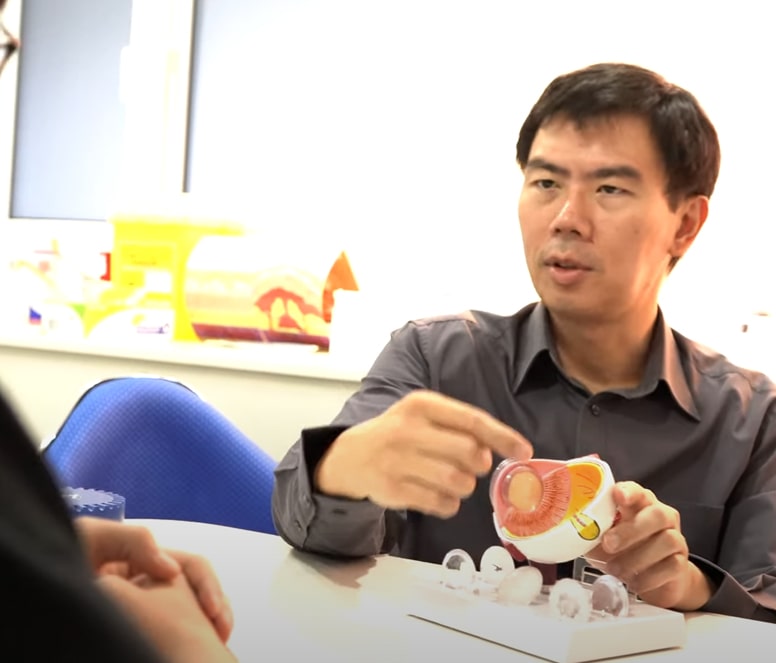
 Faster physical recovery
 Less down time
 Better preservation of corneal bio-mechanics
 The absence of flap related complications
 Less dry eye symptoms
 Fewer issues with haloes and glare